
We know the world is full of amazing places to visit but there is truly something special about the Cairngorms which you will find nowhere else. In addition to its spectacular scenery, there are many ‘wow’ factors about the Cairngorms which explain why visitors return year after year. Here are just a few…
We’re not saying bigger is better, but…
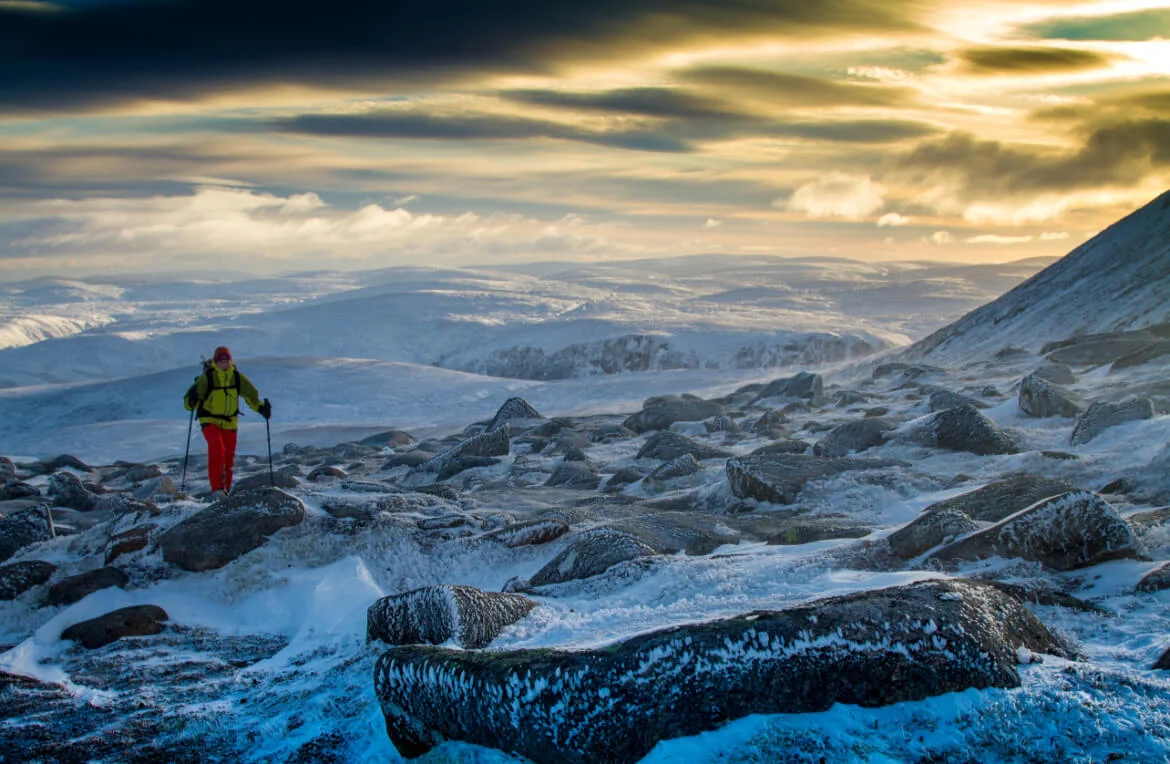
The Cairngorms make up the largest National Park in Britain. It’s 4528 sq kilometres in area, which makes it 40% larger than the National Park in the Lake District, and twice the size of Loch Lomond and the Trossachs.
And it’s not just wide, it’s high too! Five of Scotland’s six highest mountains lie within the Park, with 52 summits over 900 metres. A tenth of the land area is over 800 metres and 68% is over 400 metres above sea level.
The Cairngorms contains the finest collection of different landforms outside arctic Canada – from granite tors to heavings and leavings from Ice Age glaciers. The Spey, Dee and Don valleys are major features of the lower ground.
Around 2 million people visit the Cairngorms each year to ski, walk and fish. With three of Scotland’s five ski resorts in the area – Cairngorm Mountain, the Lecht 2090 and Glenshee – it’s the premiere location to ski, too. The vastness and diversity of our outdoor playground could also explain why, as a proportion of the population, more Olympians were born or brought up in the Aviemore area than anywhere else in the UK.
It’s wild with life…
The Cairngorms are one of the best, most unique wildlife habitats in the UK – which is why the BBC’s hit nature shows SpringWatch, WinterWatch and AutumnWatch choose to film here. And it’s why 39% of the park area is designated as important for nature heritage and 25% is of European importance.
Many of the most beautiful parts of the Park are Sites of Special Scientific Interest (SSSIs). These include the Northern Corries and parts of Rothiemurchus Estate on the west side of the Park; and in the east, places such as Craigendarroch.
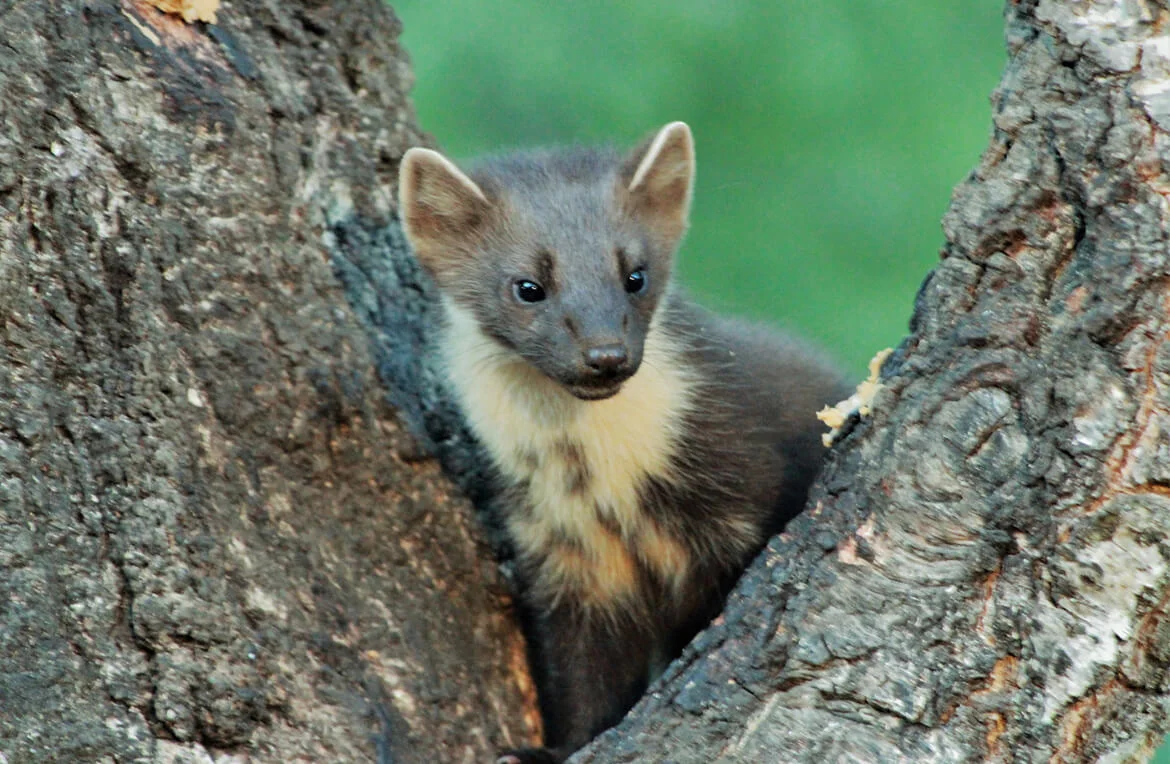
It’s home to a quarter of the UK’s threatened species in the UK, like ptarmigans, dotterels, golden eagles, ospreys, pine martens, deer, crested tits, mountain hares, red squirrels, wildcats and otters. Not only that, it’s the best place to spot the Scottish crossbill, too, the only bird unique to Britain.
Cairngorm waters are home to a rising population of the globally endangered freshwater pearl mussel, as well as salmon, trout and rare lampreys.

If you go down to the Woods today, you’re sure of a big delight…
Scotland was once covered entirely by Caledonian forest but, now, the Cairngorms are one of the few places that contain remnants of the original woods of this bygone era. The Park also contains a rare kind of pinewood found exclusively in Scotland and Norway.
These ancient forests are magical to wander in (or ‘forest bathe’, as is increasingly popular because of the proven benefits to health and wellbeing) and associated with much folklore. It’s said, for instance, that the Caledonian forest here was the location of the seventh of King Arthur’s Twelve Battles – Cat Coit Celidon. (For all these reasons, it’s vital that visitors don’t light fires in the ancient forest because the risk of damaging these trees is too great and would be devastating; please refrain from lighting one, or use a camping stove).
Also to be found in the Park is the world’s smallest tree, the tiny least willow, and a variety of wild flowers including the delicate pink twinflower.
A Haven for History…
The Cairngorms are steeped in a rich cultural history, which seeps out of every nook and cranny, corrie and cairn. Highland traditions and culture are still very much alive and kicking today in the many museums, annual competitions and Highland Games which are based here. See the communities page for more on the culture and traditions of individual villages and towns.
As you travel around the Park, you’ll come across many nods to the area’s chequered history, such as the beautiful Ruthven Barracks by Kingussie, which was built in 1719 following the (in)famous Jacobite rising of 1715. Indeed, you’ll see clues to ‘Clan’ culture all over the place, with an entire museum dedicated to Clan Macpherson in Newtonmore.
A good example of how the Cairngorms brings history to life, and how the Park’s attractions are truly world-class, is the Highland Folk Museum in Newtonmore. Set in stunning grounds, this vast area tells the story of our Highland history through recreating whole villages which children (and adults!) delight in exploring, from its school house to farm to sweetie shop! Such is its global acclaim that Netflix hit Outlander filmed some scenes here, in its recreation of a 200 year old Highland township.
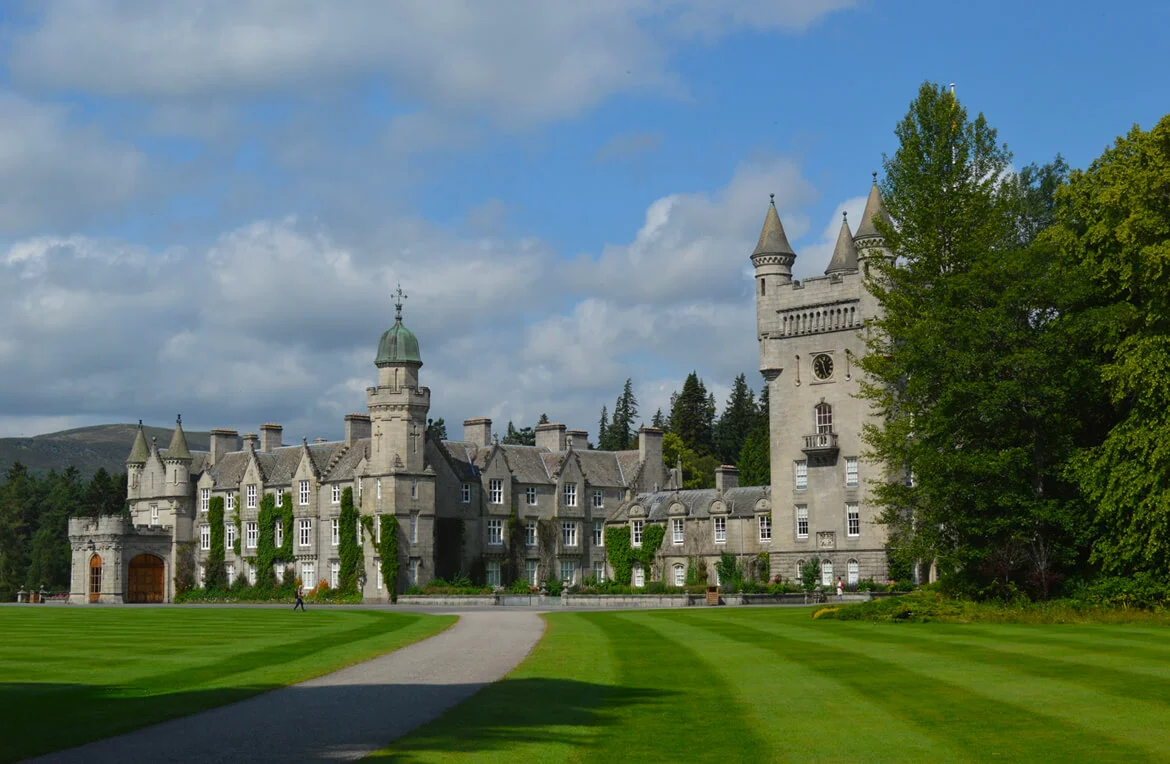
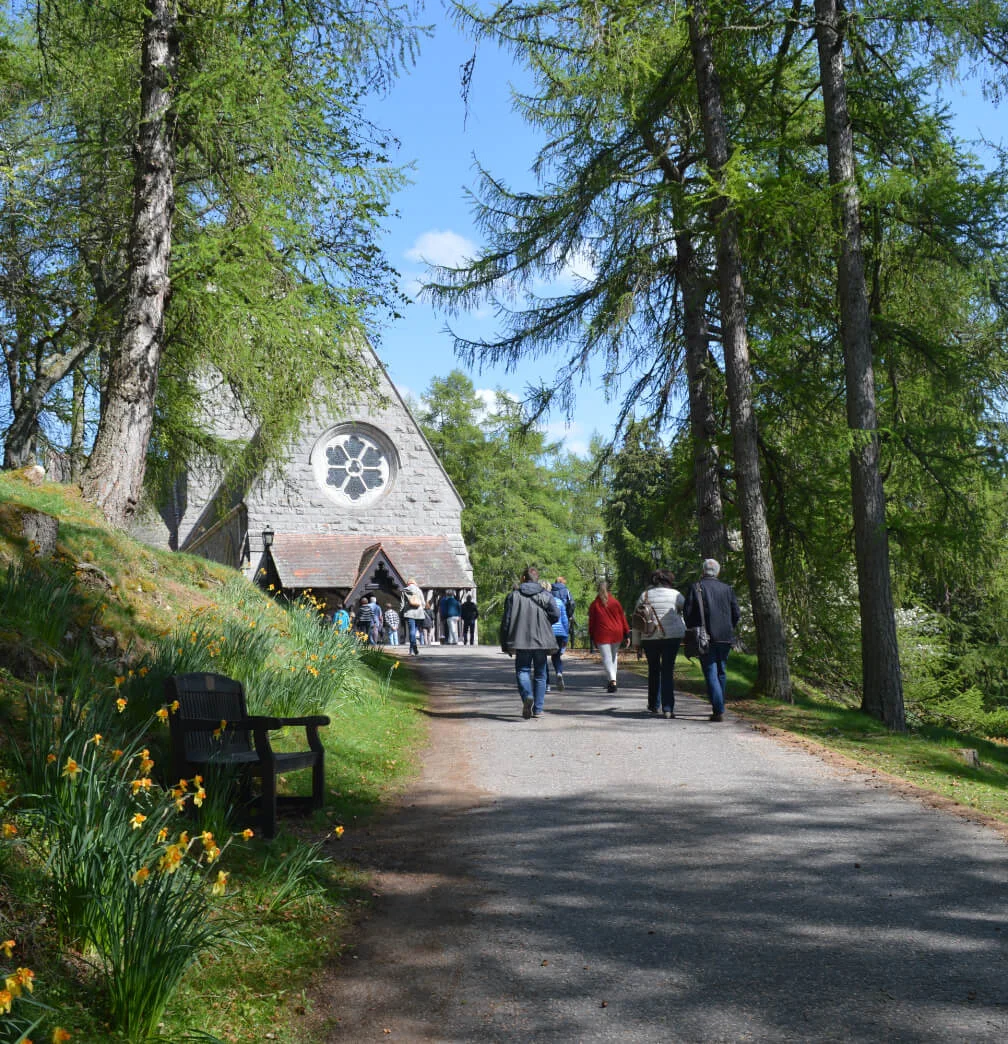
Clearly, too, as Deeside’s ‘Royal’ prefix indicates – the east side of the Park is a living Royal history, full of regal landmarks from Balmoral Castle to Royal Lochnagar Distillery. Much loved by the Victorians, not least Queen Victoria herself, this area is a treasure trove for the history buff and Royal enthusiast.
There really is something for everyone around every corner…
The sheer diversity of landscape, people and wildlife in a relatively small area is staggering. There really is something for everyone from castles, distilleries and gentle strolls to fun parks, quad bikes and extreme sports.
Nowhere else in the British Isles can visitors enjoy such a collection of outstanding environments in one place in such a variety of different ways.
Enjoy your stay here and haste ye back!

Connect with us


Join our Mailing List
Sign up to get notified of the latest deals, news and all the latest information direct to your inbox.